


If left untreated, an ingrown toenail can lead to more serious concerns, such as an infection. Knowing proper nail care can help in the prevention of an ingrown toenail. Give us a call, and get treated!
If left untreated, an ingrown toenail can lead to more serious concerns, such as an infection. Knowing proper nail care can help in the prevention of an ingrown toenail. Give us a call, and get treated!
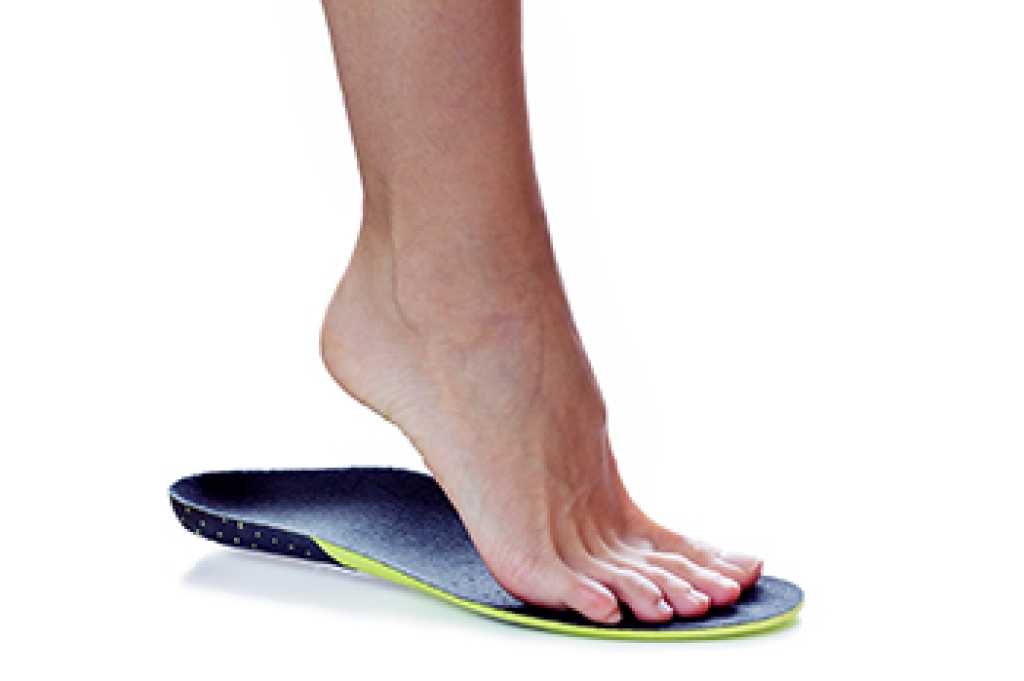
Orthotics are designed to support and improve the function of the feet and ankles. They can be placed inside shoes or worn around the foot and ankle, depending on the type of support needed. Orthotics may help relieve pain by changing how pressure is distributed across the foot. They can also provide support when a joint, muscle, or other structure is not functioning properly. Some orthotic devices are available in standard sizes, while custom orthotics are created specifically for an individual’s foot shape and medical needs.
Different types of orthotics serve different purposes. Shoe inserts may provide cushioning or additional support inside footwear. Custom-made orthotics can be designed to correct an abnormal walking pattern or reduce pressure on a painful area. An ankle-foot orthosis extends above the ankle and can provide greater stability when weakness or another medical problem affects movement. Orthotic devices may be recommended for several foot and ankle concerns, depending on the source of the symptoms. Since each person’s needs are different, the type of device used should match the specific problem affecting movement or comfort.
A podiatrist can evaluate foot or ankle pain and determine whether orthotics may be appropriate. This evaluation may include examining foot structure, joint movement, and walking patterns. If an orthotic is recommended, a podiatrist can determine what level of support is needed and whether a custom-made device may provide greater benefit. Properly selected orthotics can support the foot while addressing pressure or alignment problems that contribute to discomfort. A podiatrist can also evaluate whether another treatment is necessary when symptoms have a different underlying cause. If persistent foot or ankle pain is affecting your comfort or ability to walk, it is suggested that you consult a podiatrist for an evaluation and appropriate treatment options.
If you are having discomfort in your feet and would like to try orthotics, contact Dawn Miles, DPM from Florida. Our doctor can provide the care you need to keep you pain-free and on your feet.
What Are Orthotics?
Orthotics are inserts you can place into your shoes to help with a variety of foot problems such as flat feet or foot pain. Orthotics provide relief and comfort for minor foot and heel pain but can’t correct serious biomechanical problems in your feet.
Over-the-Counter Inserts
Orthotics come in a wide variety of over-the-counter inserts that are used to treat foot pain, heel pain, and minor problems. For example, arch supports can be inserted into your shoes to help correct overarched or flat feet, while gel insoles are often used because they provide comfort and relief from foot and heel pain by alleviating pressure.
Prescription Orthotics
If over-the-counter inserts don’t work for you or if you have a more severe foot concern, it is possible to have your podiatrist prescribe custom orthotics. These high-quality inserts are designed to treat problems such as abnormal motion, plantar fasciitis, and severe forms of heel pain. They can even be used to help patients suffering from diabetes by treating foot ulcers and painful calluses and are usually molded to your feet individually, which allows them to provide full support and comfort.
If you are experiencing minor to severe foot or heel pain, it’s recommended to speak with your podiatrist about the possibilities of using orthotics. A podiatrist can determine which type of orthotic is right for you and allow you to take the first steps towards being pain-free.
If you have any questions, please feel free to contact one of our offices located in Palatka and Saint Augustine, FL . We offer the newest diagnostic and treatment technologies for all your foot care needs.
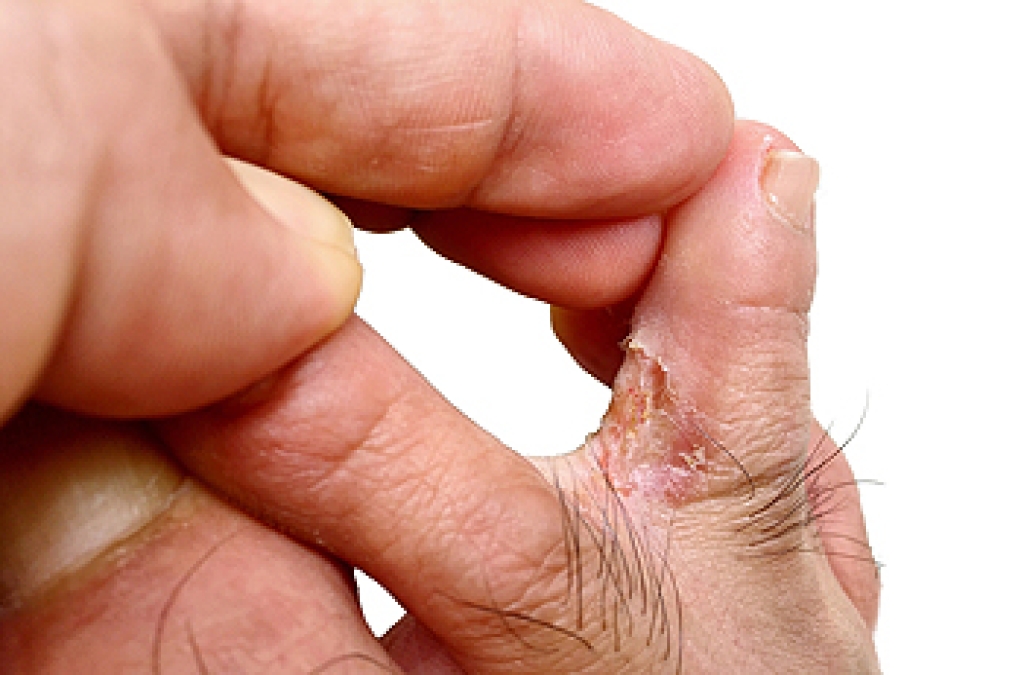
Athlete’s foot is a fungal infection that affects the skin of the feet. The medical name is tinea pedis. The fungus grows well in warm, moist environments, including locker-room floors, public showers, and swimming-pool areas. It can also grow inside damp socks and shoes. Despite its name, athlete’s foot does not only affect athletes. Anyone can develop the infection. Feet that stay moist for long periods can create conditions that allow the fungus to grow and spread.
Symptoms can differ from one patient to another. Athlete’s foot can cause itching, burning, and scaling, but some infections do not itch. Skin between the toes can become white, cracked, or peeling. The bottoms or sides of the feet can also become red and dry. Blisters can develop in some cases. Athlete’s foot can spread beyond the feet, especially when a person scratches infected skin and then touches another part of the body. The fungus can also spread through clothing and bedding. Other skin conditions can resemble athlete’s foot, making an accurate diagnosis important.
A podiatrist can examine the affected skin and determine whether athlete’s foot or another condition is causing the symptoms. Treatment can include antifungal medication that targets the fungus responsible for the infection. More serious cases can require prescription medication. Severe athlete’s foot can lead to open sores and additional infection when it is not properly treated. A podiatrist can also explain ways to reduce the risk of repeated infections, especially for patients who frequently use gyms, pools, or shared showers. Getting the correct diagnosis helps ensure that a different skin condition is not treated as athlete’s foot. If you have symptoms of athlete’s foot, it is suggested that you schedule an appointment with a podiatrist for a diagnosis and appropriate treatment.
Athlete’s foot is an inconvenient condition that can be easily reduced with the proper treatment. If you have any concerns about your feet and ankles, contact Dawn Miles, DPM from Florida. Our doctor will treat your foot and ankle needs.
Athlete’s Foot: The Sole Story
Athlete's foot, also known as tinea pedis, can be an extremely contagious foot infection. It is commonly contracted in public changing areas and bathrooms, dormitory style living quarters, around locker rooms and public swimming pools, or anywhere your feet often come into contact with other people.
Solutions to Combat Athlete’s Foot
Athlete’s foot can cause many irritating symptoms such as dry and flaking skin, itching, and redness. Some more severe symptoms can include bleeding and cracked skin, intense itching and burning, and even pain when walking. In the worst cases, Athlete’s foot can cause blistering as well. Speak to your podiatrist for a better understanding of the different causes of Athlete’s foot, as well as help in determining which treatment options are best for you.
If you have any questions please feel free to contact one of our offices located in Palatka and Saint Augustine, FL . We offer the newest diagnostic and treatment technologies for all your foot and ankle needs.
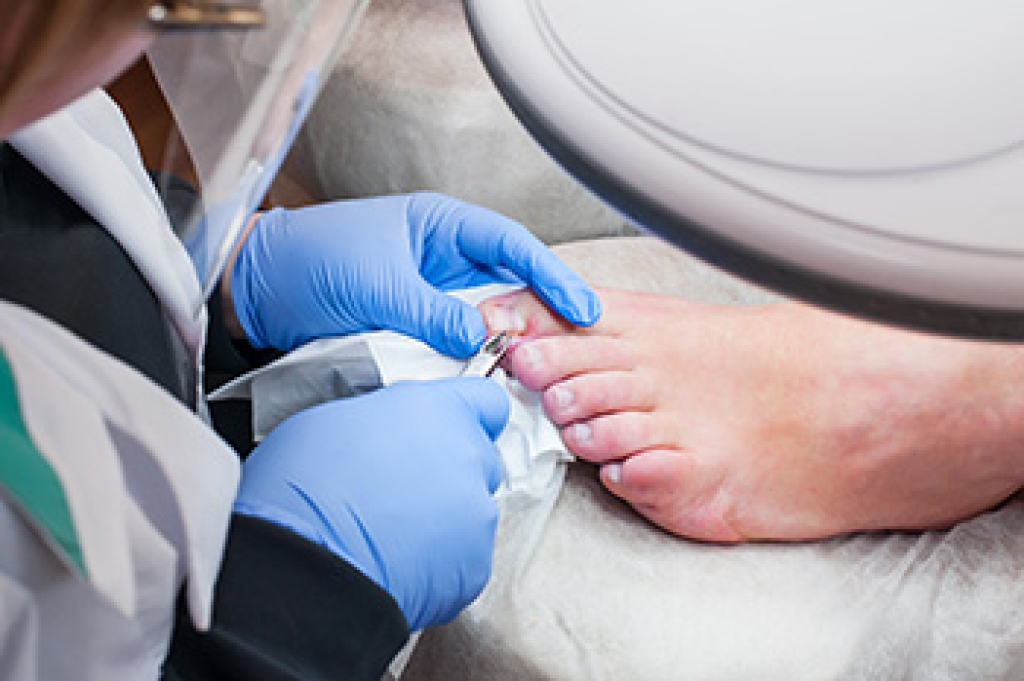
The Winograd technique is a surgical procedure used to treat certain painful or recurring ingrown toenails. An ingrown toenail occurs when part of the nail grows into the surrounding skin, creating irritation along the nail border. Common symptoms include pain, redness, and swelling. Tenderness and drainage may also be common. The condition often affects the big toe and may become more difficult to manage when pressure from shoes continues to irritate the area.
During a Winograd procedure, a podiatrist first examines the affected toe and determines whether surgery is appropriate. The toe is typically numbed with local anesthesia before treatment begins. The podiatrist removes the affected section of the nail along with a small amount of nearby tissue. In many cases, part of the nail-producing tissue is also treated to reduce the chance that the troublesome nail edge will grow back.
Healing begins after the procedure is completed and the toe is dressed. A podiatrist provides specific instructions for cleaning and protecting the surgical site. Patients may need to limit activities that place pressure on the toe and choose comfortable, open, or roomy footwear while healing. Follow-up appointments help the podiatrist evaluate the wound, monitor nail growth, and address any concerns. Keeping the area clean and following instructions can support a smoother recovery.
The Winograd technique can be helpful when an ingrown toenail repeatedly causes discomfort or does not respond to simpler treatment. It is not necessary for every case, so professional evaluation is important before deciding on surgery. If you have persistent symptoms, recurring ingrown toenails, or difficulty walking because of nail pain, it is suggested that you consult a podiatrist who can discuss the benefits of this procedure with you.
Foot surgery is sometimes necessary to treat a foot ailment. To learn more, contact Dawn Miles, DPM of Florida. Our doctor will assist you with all of your foot and ankle needs.
When Is Surgery Necessary?
Foot and ankle surgery is generally reserved for cases in which less invasive, conservative procedures have failed to alleviate the problem. Some of the cases in which surgery may be necessary include:
What Types of Surgery Are There?
The type of surgery you receive will depend on the nature of the problem you have. Some of the possible surgeries include:
Benefits of Surgery
Although surgery is usually a last resort, it can provide more complete pain relief compared to non-surgical methods and may allow you to finally resume full activity.
Surgical techniques have also become increasingly sophisticated. Techniques like endoscopic surgery allow for smaller incisions and faster recovery times.
If you have any questions, please feel free to contact one of our offices located in Palatka and Saint Augustine, FL . We offer the newest diagnostic and treatment technologies for all your foot care needs.
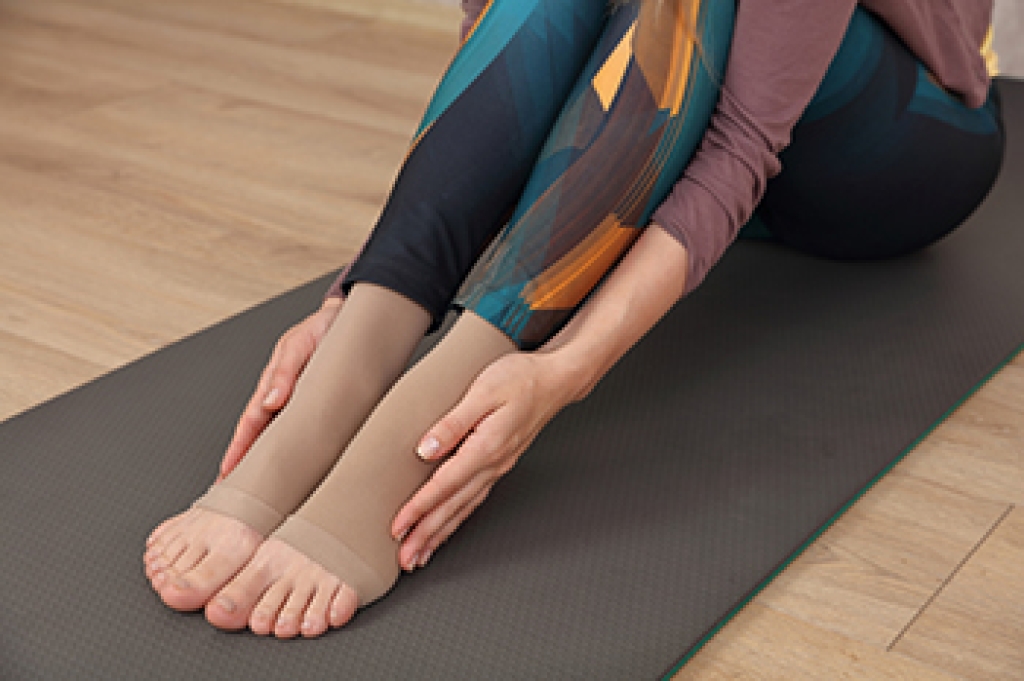
Poor circulation affects the flow of blood to the legs and feet, reducing the oxygen and nutrients that healthy tissues need. This can lead to cold feet, numbness, and cramping while walking. Some people also notice changes in skin color or slower healing after a minor cut or blister. Hair growth on the feet and lower legs can decrease, and the skin can become shiny or thin. In more serious cases, pain can continue even while resting. Poor circulation is frequently linked to narrowed arteries, which means blood vessels have become smaller because of a buildup of fatty material inside their walls. Early evaluation is important because symptoms can gradually become more noticeable and increase the risk of foot problems.
Several factors increase the risk of poor circulation. Smoking, diabetes, and high blood pressure can damage blood vessels and reduce healthy blood flow. High cholesterol can also contribute by narrowing the arteries. A podiatrist carefully examines the feet and checks for changes in skin temperature, skin color, and pulses. Pulses are the gentle beats of blood flowing through arteries. Weak or absent pulses can suggest reduced circulation. A podiatrist also looks for slow-healing wounds, thickened nails, and other signs that the feet are not receiving enough blood. Early diagnosis helps protect foot health and reduces the chance of more serious complications.
Treatment focuses on improving foot health and reducing the risk of complications caused by poor circulation. A podiatrist provides regular foot evaluations, monitors changes, and recommends supportive care based on your condition. Careful monitoring helps identify concerns before they become more serious. Early attention also supports healthier tissue and improves comfort while walking. Protecting the feet becomes especially important when circulation is reduced because even small problems can become harder to heal. If you have symptoms of poor circulation, it is suggested that you schedule an appointment with a podiatrist for effective relief and management solutions.
While poor circulation itself isn’t a condition; it is a symptom of another underlying health condition you may have. If you have any concerns with poor circulation in your feet contact Dawn Miles, DPM of Florida. Our doctor will treat your foot and ankle needs.
Poor Circulation in the Feet
Peripheral artery disease (PAD) can potentially lead to poor circulation in the lower extremities. PAD is a condition that causes the blood vessels and arteries to narrow. In a linked condition called atherosclerosis, the arteries stiffen up due to a buildup of plaque in the arteries and blood vessels. These two conditions can cause a decrease in the amount of blood that flows to your extremities, therefore resulting in pain.
Symptoms
Some of the most common symptoms of poor circulation are:
Treatment for poor circulation often depends on the underlying condition that causes it. Methods for treatment may include insulin for diabetes, special exercise programs, surgery for varicose veins, or compression socks for swollen legs.
As always, see a podiatrist as he or she will assist in finding a regimen that suits you. A podiatrist can also prescribe you any needed medication.
If you have any questions, please feel free to contact one of our offices located in Palatka and Saint Augustine, FL . We offer the newest diagnostic and treatment technologies for all your foot care needs.