

Blog

Foot Pain and Running Injuries

Running injuries in the foot and ankle often develop as repetitive stress is placed on muscles, tendons, and joints without proper preparation or recovery. These injuries can appear as pain in the heel, arch, Achilles tendon, or ankle, and may begin as mild discomfort before becoming more persistent. Common causes include sudden increases in mileage, poor running mechanics, weak supporting muscles, and inadequate footwear. Learning from experienced runners and training smarter by building endurance gradually can reduce the risk of injury. Strength and flexibility imbalances also play a role in how the body absorbs impact during running. A podiatrist can evaluate foot structure, analyze gait patterns, and identify early signs of strain before they become more serious problems. If you have sustained a foot or ankle injury from running, it is suggested that you consult a podiatrist to discuss effective relief and prevention tips.

All runners should take extra precaution when trying to avoid injury. If you have any concerns about your feet, contact Dawn Miles, DPM of Florida. Our doctor will treat your foot and ankle needs.

How to Prevent Running Injuries

There are a lot of mistakes a runner can make prior to a workout that can induce injury. A lot of athletes tend to overstretch before running, instead of saving those workouts for a post-run routine. Deep lunges and hand-to-toe hamstring pulls should be performed after a workout instead of during a warmup. Another common mistake is jumping into an intense routine before your body is physically prepared for it. You should try to ease your way into long-distance running instead of forcing yourself to rush into it.

More Tips for Preventing Injury

  • Incorporate Strength Training into Workouts - This will help improve the body’s overall athleticism
  • Improve and Maintain Your Flexibility – Stretching everyday will help improve overall performance
  • “Warm Up” Before Running and “Cool Down” Afterward – A warm up of 5-10 minutes helps get rid of lactic acid in the muscles and prevents delayed muscle soreness
  • Cross-Training is Crucial
  • Wear Proper Running Shoes
  • Have a Formal Gait Analysis – Poor biomechanics can easily cause injury

If you have any questions, please feel free to contact one of our offices located in Palatka and Saint Augustine, FL . We offer the newest diagnostic and treatment technologies for all your foot care needs.

Read more about How to Prevent Running Injuries

Children and Walking Barefoot

When babies are born, the bones in their feet are not fully formed. They will become solid as the aging process occurs, and it is beneficial to refrain from wearing shoes at this time. When children walk barefoot, their overall foot may become stronger as the toes grasp the floor. When it is time for the first pair of shoes to be purchased, it is important to choose shoes that fit properly. It is suggested that the shoes are made with fully adjustable fastenings, the toe area is naturally shaped, and the shoes are constructed from breathable materials. If you would like more information about children’s foot health, it is advised that you consult with a podiatrist.

Making sure that your children maintain good foot health is very important as they grow. If you have any questions, contact Dawn Miles, DPM of Florida. Our doctor can provide the care you need to keep you pain-free and on your feet.

Keeping Children's Feet Healthy

Having healthy feet during childhood can help prevent medical problems later in life, namely in the back and legs. As children grow, their feet require different types of care. Here are some things to consider...

Although babies do not walk yet, it is still very important to take care of their feet.

Avoid putting tight shoes or socks on his or her feet.

Allow the baby to stretch and kick his or her feet to feel comfortable.

As a toddler, kids are now on the move and begin to develop differently. At this age, toddlers are getting a feel for walking, so don’t be alarmed if your toddler is unsteady or ‘walks funny’. 

As your child gets older, it is important to teach them how to take care of their feet.

Show them proper hygiene to prevent infections such as fungus.

Be watchful for any pain or injury.

Have all injuries checked by a doctor as soon as possible.

Comfortable, protective shoes should always be worn, especially at play.

If you have any questions, please feel free to contact one of our offices located in Palatka and Saint Augustine, FL . We offer the newest diagnostic and treatment technologies for all your foot care needs.
Read more about What to Do to Keep Your Child’s Feet Healthy

Risk Factors for Acquired Flat Feet

Acquired flat feet develop when the arch of the foot gradually lowers, and the foot rolls inward while walking. Several risk factors increase the chance of this happening. Aging is a common cause because the tendons and muscles that support the arch can weaken. Excess body weight also places added pressure on the feet and ankles. Diabetes and high blood pressure can affect blood flow and weaken soft tissue in the feet. Previous foot or ankle injuries raise the risk as well. Wearing shoes that lack proper support can place strain on the arch and tendons. People with arthritis may notice changes in foot shape that lead to flat feet. Common signs include swelling near the inside of the ankle, tired feet, and pain after standing for long periods. A podiatrist can examine the feet and provide custom orthotics, supportive footwear guidance, and other treatment options. If you have signs of flat feet, it is suggested that you make an appointment with a podiatrist for an exam and treatment options.

Flatfoot is a condition many people suffer from. If you have flat feet, contact Dawn Miles, DPM from Florida. Our doctor will treat your foot and ankle needs.

What Are Flat Feet?

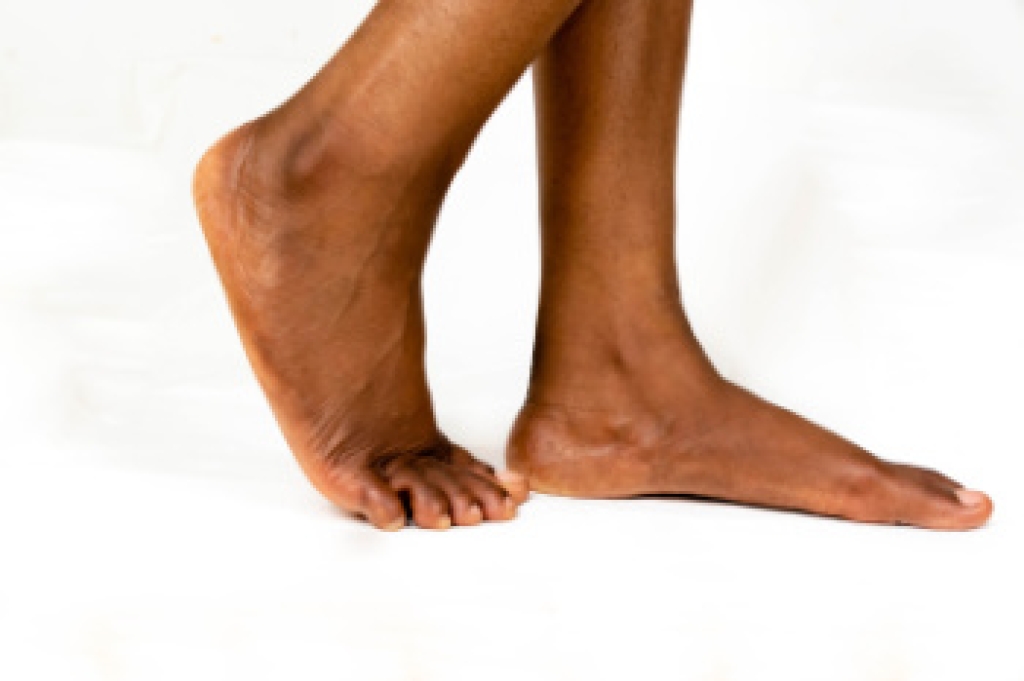
Flatfoot is a condition in which the arch of the foot is depressed and the sole of the foot is almost completely in contact with the ground. About 20-30% of the population generally has flat feet because their arches never formed during growth.

Conditions & Problems:

Having flat feet makes it difficult to run or walk because of the stress placed on the ankles.

Alignment – The general alignment of your legs can be disrupted, because the ankles move inward which can cause major discomfort.

Knees – If you have complications with your knees, flat feet can be a contributor to arthritis in that area.  

Symptoms

  • Pain around the heel or arch area
  • Trouble standing on the tip toe
  • Swelling around the inside of the ankle
  • Flat look to one or both feet
  • Having your shoes feel uneven when worn

Treatment

If you are experiencing pain and stress on the foot you may weaken the posterior tibial tendon, which runs around the inside of the ankle. 

If you have any questions, please feel free to contact one of our offices located in Palatka and Saint Augustine, FL . We offer the newest diagnostic and treatment technologies for all your foot care needs.

Read more about Flatfoot

Running Styles and Their Impact on Foot Health

Running can take many forms, including jogging, sprinting, and treadmill training, and each places different demands on the feet. Jogging is steady and lower impact, while sprinting involves powerful bursts that increase stress on muscles and joints. Treadmill running offers a controlled surface, but may alter natural movement patterns. One important factor in all forms of running is proper foot strike, which refers to how the foot meets the ground. Poor foot strike can lead to strain, discomfort, and overuse injuries. These issues may develop gradually and affect performance and comfort. A podiatrist can assess gait, identify imbalances, and recommend proper support or footwear to reduce stress on the feet and ankles. If you notice foot pain during or after running, it is strongly suggested that you visit a podiatrist for an evaluation and appropriate treatment solutions.

Foot Pain

Foot pain can be extremely painful and debilitating. If you have a foot pain, consult with Dawn Miles, DPM from Florida. Our doctor will assess your condition and provide you with quality foot and ankle treatment.

Causes

Foot pain is a very broad condition that could be caused by one or more ailments. The most common include:

  • Bunions
  • Hammertoes
  • Plantar Fasciitis
  • Bone Spurs
  • Corns
  • Tarsal Tunnel Syndrome
  • Ingrown Toenails
  • Arthritis (such as Gout, Rheumatoid, and Osteoarthritis)
  • Flat Feet
  • Injury (from stress fractures, broken toe, foot, ankle, Achilles tendon ruptures, and sprains)
  • And more

Diagnosis

To figure out the cause of foot pain, podiatrists utilize several different methods. This can range from simple visual inspections and sensation tests to X-rays and MRI scans. Prior medical history, family medical history, and any recent physical traumatic events will all be taken into consideration for a proper diagnosis.

Treatment

Treatment depends upon the cause of the foot pain. Whether it is resting, staying off the foot, or having surgery; podiatrists have a number of treatment options available for foot pain.

If you have any questions, please feel free to contact one of our offices located in Palatka and Saint Augustine, FL . We offer the newest diagnostic and treatment technologies for all your foot care needs.

Read more about Foot Pain

Advantages of Seeing a Podiatrist

Many people may take their foot health for granted, however it is extremely important to take care of your feet in order to prevent issues from arising. Not only can podiatrists help to prevent problems, their extensive knowledge on the feet allows for them to specialize and target their treatments in a more advanced manner as compared to a general practitioner. Podiatrists can help diagnose, treat, and rehabilitate foot related issues, including bunions, heel pain, bone fractures, fungal infections, and ingrown toenails. Podiatrists can also help patients find the proper orthotics to provide support for their feet. Additionally, they can help provide self-care and preventative tips, especially for patients with conditions like diabetes and rheumatoid arthritis. If you are experiencing any issues with the feet, or you want to get ahead of any potential issues, it is suggested that you make an appointment with a podiatrist.

If you are dealing with pain in your feet and ankles, you may want to seek help from a podiatrist. Feel free to contact Dawn Miles, DPM from Florida. Our doctor can provide the care you need to keep you pain-free and on your feet.

What Is a Podiatrist?

A podiatrist diagnoses and treats conditions of the foot, ankle, and related structures of the leg. Your podiatrist may specialize in a certain field such as sports medicine, wound care, pediatrics, and diabetic care. Podiatrists have the ability to become board certified through training, clinical experience, and then taking an exam.

What Do Podiatrists Do?

On a daily basis, a podiatrist may perform the following activities:

  • Diagnose foot ailments such as ulcers, tumors, fractures, etc.
  • Use innovative methods to treat conditions
  • Use corrective orthotics, casts, and strappings to correct deformities
  • Correct walking patterns and balance
  • Provide individual consultations to patients

It is very important that you take care of your feet. It’s easy to take having healthy feet for granted, however foot problems tend to be among the most common health conditions. Podiatrists can help diagnose and treat a variety of feet related conditions, so it is crucial that you visit one if you need assistance.

If you have any questions, please feel free to contact one of our offices located in Palatka and Saint Augustine, FL . We offer the newest diagnostic and treatment technologies for all your foot care needs.

Read more about What is a Podiatrist?
Connect with us