Blog

Diabetic Foot Ulcers and the Importance of Early Care

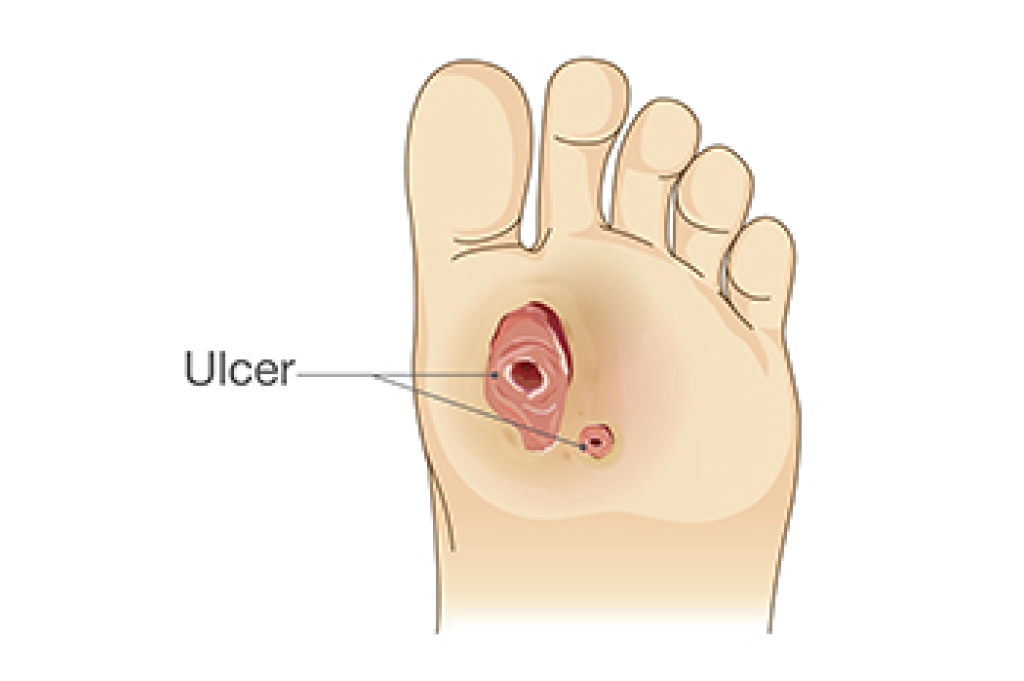
A diabetic foot ulcer is an open sore or wound that develops on the foot due to complications of diabetes, often related to poor circulation and nerve damage. Symptoms include redness, drainage, swelling, and slow-healing tissue. Risk factors include prolonged pressure, reduced sensation, and untreated minor injuries. Without proper care, these ulcers can worsen and lead to infection. Treatment often involves debridement to remove damaged tissue and pressure relief to protect the affected area and support healing. A podiatrist plays a key role in managing such wounds, improving circulation, and preventing complications. If you have diabetes and have developed a foot ulcer, it is strongly suggested that you are under the care of a podiatrist who can effectively treat foot wounds and help you to manage this serious condition.

Wound care is an important part in dealing with diabetes. If you have diabetes and a foot wound or would like more information about wound care for diabetics, consult with Dawn Miles, DPM from Florida. Our doctor will assess your condition and provide you with quality foot and ankle treatment.

What Is Wound Care?

Wound care is the practice of taking proper care of a wound. This can range from the smallest to the largest of wounds. While everyone can benefit from proper wound care, it is much more important for diabetics. Diabetics often suffer from poor blood circulation which causes wounds to heal much slower than they would in a non-diabetic. 

What Is the Importance of Wound Care?

While it may not seem apparent with small ulcers on the foot, for diabetics, any size ulcer can become infected. Diabetics often also suffer from neuropathy, or nerve loss. This means they might not even feel when they have an ulcer on their foot. If the wound becomes severely infected, amputation may be necessary. Therefore, it is of the upmost importance to properly care for any and all foot wounds.

How to Care for Wounds

The best way to care for foot wounds is to prevent them. For diabetics, this means daily inspections of the feet for any signs of abnormalities or ulcers. It is also recommended to see a podiatrist several times a year for a foot inspection. If you do have an ulcer, run the wound under water to clear dirt from the wound; then apply antibiotic ointment to the wound and cover with a bandage. Bandages should be changed daily and keeping pressure off the wound is smart. It is advised to see a podiatrist, who can keep an eye on it.

If you have any questions please contact one of our offices located in Palatka and Saint Augustine, FL . We offer the newest diagnostic and treatment technologies for all your foot and ankle needs.

Read more about Wound Care

A Broken Foot and Prompt Podiatric Care

A broken foot is a serious injury defined as a fracture in one or more of the bones that form the structure of the foot. This condition often occurs as the result of a sports-related injury, sudden impact, or a fall that places excessive force on the foot. A compound fracture occurs when the broken bone passes through the skin, while a closed fracture describes a break that remains beneath the skin without external exposure. Symptoms include severe pain, swelling, bruising, and difficulty bearing weight. Risk factors include high impact activities, weakened bone strength, or accidents that stress the foot. A podiatrist can evaluate the injury, provide treatment, and guide recovery. If you have broken your foot, it is suggested that you promptly consult a podiatrist who can offer appropriate treatment solutions.

A broken foot requires immediate medical attention and treatment. If you need your feet checked, contact Dawn Miles, DPM from Florida. Our doctor can provide the care you need to keep you pain-free and on your feet.

Broken Foot Causes, Symptoms, and Treatment

A broken foot is caused by one of the bones in the foot typically breaking when bended, crushed, or stretched beyond its natural capabilities. Usually the location of the fracture indicates how the break occurred, whether it was through an object, fall, or any other type of injury. 

Common Symptoms of Broken Feet:

  • Bruising
  • Pain
  • Redness
  • Swelling
  • Blue in color
  • Numbness
  • Cold
  • Misshapen
  • Cuts
  • Deformities

Those that suspect they have a broken foot shoot seek urgent medical attention where a medical professional could diagnose the severity.

Treatment for broken bones varies depending on the cause, severity and location. Some will require the use of splints, casts or crutches while others could even involve surgery to repair the broken bones. Personal care includes the use of ice and keeping the foot stabilized and elevated.

If you have any questions, please feel free to contact one of our offices located in Palatka and Saint Augustine, FL . We offer the newest diagnostic and treatment technologies for all your foot care needs.

Read more about Causes, Symptoms, and Treatment for a Broken Foot

What Causes Heel Spurs?

Heel spurs are bony growths that form on the calcaneus, or heel bone, after long-term stress or irritation. These spurs often develop when repeated pulling from tight soft tissue at the back of the ankle places strain on the bone. Eventually, the body responds by laying down excess calcium, creating a pointed growth that looks like a spur. Heel spurs can form underneath the heel or at the back, sometimes causing a visible lump. Symptoms include sharp pain with the first steps in the morning, a lingering dull ache during the day, stiffness, numbness, or thickened skin from friction. A podiatrist can assess foot alignment, evaluate walking patterns, and order X-rays to confirm the diagnosis. Treatment options include custom orthotics, bracing, anti-inflammatory care, or surgery when necessary. If you have pain from heel spurs that affect daily activities, it is suggested that you make an appointment with a podiatrist for an exam, diagnosis, and treatment.

Heel spurs can be incredibly painful and sometimes may make you unable to participate in physical activities. To get medical care for your heel spurs, contact Dawn Miles, DPM from Florida. Our doctor will do everything possible to treat your condition.

Heels Spurs

Heel spurs are formed by calcium deposits on the back of the foot where the heel is. This can also be caused by small fragments of bone breaking off one section of the foot, attaching onto the back of the foot. Heel spurs can also be bone growth on the back of the foot and may grow in the direction of the arch of the foot.

Older individuals usually suffer from heel spurs and pain sometimes intensifies with age. One of the main condition's spurs are related to is plantar fasciitis.

Pain

The pain associated with spurs is often because of weight placed on the feet. When someone is walking, their entire weight is concentrated on the feet. Bone spurs then have the tendency to affect other bones and tissues around the foot. As the pain continues, the feet will become tender and sensitive over time.

Treatments

There are many ways to treat heel spurs. If one is suffering from heel spurs in conjunction with pain, there are several methods for healing. Medication, surgery, and herbal care are some options.

If you have any questions, please feel free to contact one of our offices located in Palatka and Saint Augustine, FL . We offer the newest diagnostic and treatment technologies for all your foot care needs.

Read more about How to Treat Heel Spurs

What Is Plantar Fibromatosis?

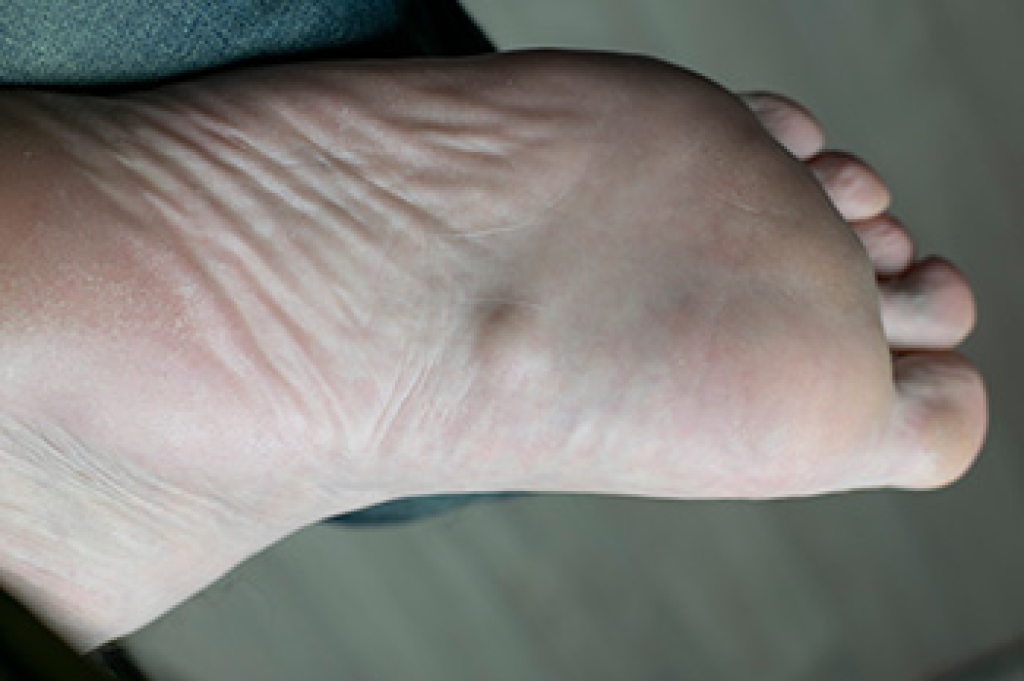
Plantar fibromatosis is a condition characterized by the development of benign fibrous nodules within the plantar fascia, the thick connective tissue along the bottom of the foot. These firm lumps are typically located in the arch, and may gradually increase in size. Symptoms can include localized pain, tenderness, swelling, and discomfort while walking or standing, especially when pressure is applied over the nodule. The exact cause is not always clear, but risk factors may include genetic predisposition, congenital influences, repetitive trauma, and certain medical conditions. A podiatrist can evaluate the growth, provide imaging if needed, and recommend custom orthotics or advanced treatment options. If you have symptoms of a plantar fibroma, it is suggested that you consult a podiatrist who can offer effective relief and treatment solutions.

A plantar fibroma may disrupt your daily activities. If you have any concerns, contact Dawn Miles, DPM of Florida. Our doctor can provide the care you need to keep you pain-free and on your feet.

Plantar Fibroma

A plantar fibroma is a fibrous knot in the arch of the foot. It is embedded in the plantar fascia which is a band of tissue that extends from the heel to the toes along the bottom of the foot. There can be multiple plantar fibromas in the feet at the same time. There are no known causes for this condition. If you have a plantar fibroma, there will be a bump in the arch of your foot that cannot be missed. Any associated pain is most often due to a shoe rubbing against the nodule. Non-surgical options, such as steroid injections, physical therapy, and orthotics should be tried first. Surgery is a last resort and is the only thing that will remove a plantar fibroma entirely. Consult with a podiatrist for a proper diagnosis and to determine the treatment regimen that is right for you.

What Causes a Plantar Fibroma?

While there are no specific causes identified, a plantar fibroma can possibly come from genetic predisposition or the formation of scar tissue that forms from healing the tears in the plantar fascia.

What Are the Symptoms of a Plantar Fibroma?

There will be a noticeable lump in the arch of the foot that may or may not cause pain. If pain is felt, it is typically because a shoe is rubbing up against the lump or when walking or standing barefoot.

Treatment and Prevention

A plantar fibroma will not disappear without treatment, but it can get smaller and be a non-issue. If pain persists, a podiatrist examines the foot and when the arch of the foot is pressed, pain can be felt down to the toes. An MRI or biopsy might be performed to help diagnose or evaluate the plantar fibroma. The following non-surgical options are generally enough to reduce the size and pain of these nodules:

  • Steroid injections
  • Orthotics
  • Physical therapy to help apply anti-inflammatory creams on the bump 

Surgery is considered if the mass increases in size and the patient continues to feel pain after non-surgical methods are tried.

If you have any questions, please feel free to contact one of our offices located in Palatka and Saint Augustine, FL . We offer the newest diagnostic and treatment technologies for all your foot care needs.

Read more about Plantar Fibroma

Exercises Can Help With Plantar Fasciitis

Plantar fasciitis develops when the thick band of tissue supporting the arch becomes irritated from repeated strain. Symptoms of plantar fasciitis include sharp heel pain first thing in the morning or after long periods of standing. Specific exercises can play an important role in recovery because they gently lengthen tight calf muscles, improve flexibility in the arch, and strengthen the small stabilizing muscles of the foot. Improving motion and strength helps reduce the pulling force placed on the heel while walking. A podiatrist evaluates foot structure, walking mechanics, and contributing risk factors before recommending a precise exercise program. These stretching and strengthening plans can be adjusted over time as symptoms improve. Medical treatments may be added to decrease inflammation and protect the tissue while it heals. If you have foot pain related to plantar fasciitis, it is suggested that you make an appointment with a podiatrist for treatment.

Plantar fasciitis is a common foot condition that is often caused by a strain injury. If you are experiencing heel pain or symptoms of plantar fasciitis, contact Dawn Miles, DPM from Florida. Our doctor can provide the care you need to keep you pain-free and on your feet.

What Is Plantar Fasciitis?

Plantar fasciitis is one of the most common causes of heel pain. The plantar fascia is a ligament that connects your heel to the front of your foot. When this ligament becomes inflamed, plantar fasciitis is the result. If you have plantar fasciitis you will have a stabbing pain that usually occurs with your first steps in the morning. As the day progresses and you walk around more, this pain will start to disappear, but it will return after long periods of standing or sitting.

What Causes Plantar Fasciitis?

  • Excessive running
  • Having high arches in your feet
  • Other foot issues such as flat feet
  • Pregnancy (due to the sudden weight gain)
  • Being on your feet very often

There are some risk factors that may make you more likely to develop plantar fasciitis compared to others. The condition most commonly affects adults between the ages of 40 and 60. It also tends to affect people who are obese because the extra pounds result in extra stress being placed on the plantar fascia.

Prevention

  • Take good care of your feet – Wear shoes that have good arch support and heel cushioning.
  • Maintain a healthy weight
  • If you are a runner, alternate running with other sports that won’t cause heel pain

There are a variety of treatment options available for plantar fasciitis along with the pain that accompanies it. Additionally, physical therapy is a very important component in the treatment process. It is important that you meet with your podiatrist to determine which treatment option is best for you.

If you have any questions, please feel free to contact one of our offices located in Palatka and Saint Augustine, FL . We offer the newest diagnostic and treatment technologies for all your foot care needs.


Read more about Plantar Fasciitis
Connect with us