


Suffering from this type of pain? You may have the foot condition known as Morton's neuroma. Morton's neuroma may develop as a result of ill-fitting footwear and existing foot deformities. We can help.
Suffering from this type of pain? You may have the foot condition known as Morton's neuroma. Morton's neuroma may develop as a result of ill-fitting footwear and existing foot deformities. We can help.

A bunion is a deformity that develops at the joint where the big toe meets the foot. The big toe gradually shifts toward the smaller toes, causing the base of the joint to become enlarged and more noticeable. Bunions develop slowly, and symptoms become more severe over time. Common signs include pain, swelling, and redness surrounding the joint. Some people also experience stiffness or have difficulty wearing certain shoes because of the enlarged area. As the deformity worsens, it can affect the way the foot functions while walking and standing. Because bunions do not usually improve without professional care, early evaluation is important to determine the severity of the condition and recommend appropriate treatment.
Several factors may contribute to bunion development, including inherited foot structure, abnormal foot mechanics, and certain inflammatory joint conditions. Although wearing narrow or tight-fitting shoes does not directly cause bunions, it may increase pressure on the affected joint and worsen existing symptoms. The deformity may continue to progress, making the toe less flexible and increasing discomfort during everyday activities. A comprehensive podiatry examination helps evaluate joint alignment, foot structure, and the extent of the deformity. Imaging studies may also be recommended to better understand changes within the joint. Early diagnosis allows treatment to begin before the bunion causes greater pain or leads to additional foot problems.
A podiatrist specializes in diagnosing and treating bunions while evaluating the overall health and function of the feet. Professional care focuses on relieving pain, improving mobility, and slowing the progression of the deformity when possible. Treatment is individualized based on the severity of the bunion, the patient's symptoms, and activity level. Regular follow-up visits also allow the condition to be monitored and treatment to be adjusted as needed. If you have pain at the base of your big toe or believe you may have a bunion, it is suggested that you consult a podiatrist for an evaluation and appropriate treatment options.
If you are suffering from bunions, contact Dawn Miles, DPM of Florida. Our doctor can provide the care you need to keep you pain-free and on your feet.
What Is a Bunion?
A bunion is formed of swollen tissue or an enlargement of boney growth, usually located at the base joint of the toe that connects to the foot. The swelling occurs due to the bones in the big toe shifting inward, which impacts the other toes of the foot. This causes the area around the base of the big toe to become inflamed and painful.
Why Do Bunions Form?
Genetics – Susceptibility to bunions are often hereditary
Stress on the feet – Poorly fitted and uncomfortable footwear that places stress on feet, such as heels, can worsen existing bunions
How Are Bunions Diagnosed?
Podiatrists often perform two tests – blood tests and x-rays – when trying to diagnose bunions, especially in the early stages of development. Blood tests help determine if the foot pain is being caused by something else, such as arthritis, while x-rays provide a clear picture of your bone structure to your provider.
How Are Bunions Treated?
If you have any questions, please feel free to contact one of our offices located in Palatka and Saint Augustine, FL . We offer the newest diagnostic and treatment technologies for all your foot care needs.
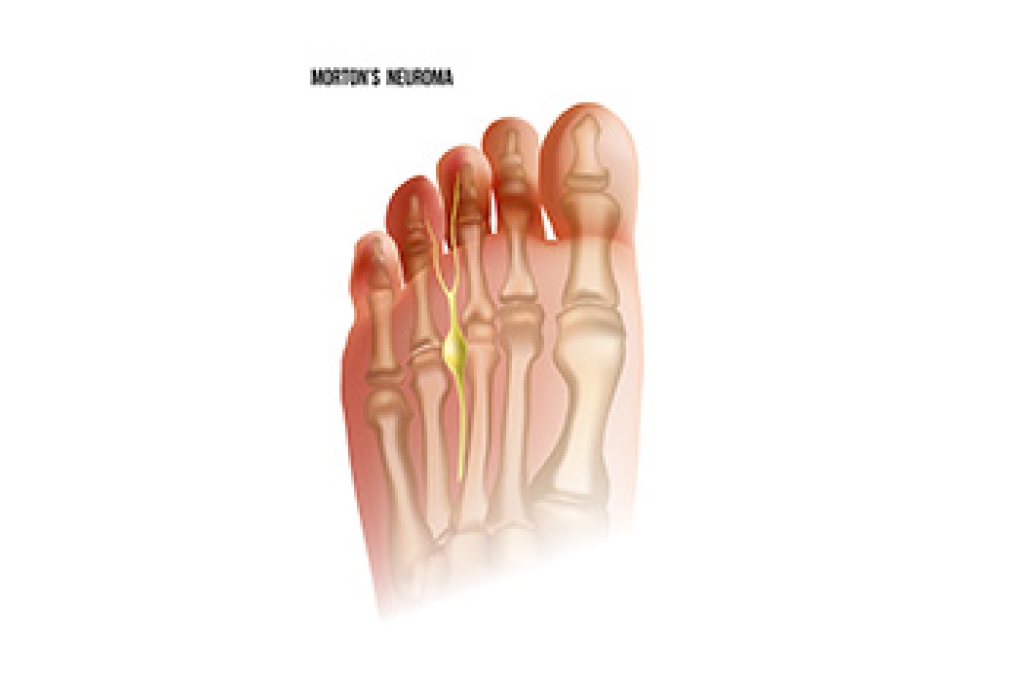
Morton’s neuroma is a common nerve-related foot condition that causes pain in the ball of the foot. It occurs when tissue surrounding a nerve becomes thickened and irritated, creating pressure on the affected nerve. The condition most often develops between the third and fourth toes, although symptoms can vary between individuals. Understanding how Morton’s neuroma develops can help identify warning signs and support early treatment.
The symptoms of Morton’s neuroma may include burning sensations, sharp pain, tingling, and numbness in the forefoot. Many people describe the discomfort as feeling like there is a small object trapped inside their shoe. Pain is typically located beneath the ball of the foot and may extend into the toes. Symptoms often become more noticeable during walking, running, or when wearing shoes that squeeze the front of the foot.
Risk factors for Morton’s neuroma include footwear choices, activity levels, and existing foot structure concerns. Wearing high heels and narrow shoes can force the toes together, increasing pressure on the nerves. Athletes who participate in running or jumping activities may also experience repeated stress in the forefoot. Other risk factors include flat feet, high arches, bunions, and hammertoes, which can change the way pressure is distributed across the foot.
Preventing worsening symptoms involves reducing irritation and supporting proper foot mechanics. Choosing comfortable shoes with enough room for the toes can help decrease pressure on the nerve. Addressing foot alignment concerns early may also improve comfort and mobility. Morton’s neuroma can be painful and may cause difficulty in completing daily activities. If you have pain in this part of your foot, it is suggested that you consult a podiatrist who can accurately diagnose and treat Morton’s neuroma.
Morton’s neuroma is a very uncomfortable condition to live with. If you think you have Morton’s neuroma, contact Dawn Miles, DPM of Florida. Our doctor will attend to all of your foot care needs and answer any of your related questions.
Morton’s Neuroma
Morton's neuroma is a painful foot condition that commonly affects the areas between the second and third or third and fourth toe, although other areas of the foot are also susceptible. Morton’s neuroma is caused by an inflamed nerve in the foot that is being squeezed and aggravated by surrounding bones.
What Increases the Chances of Having Morton’s Neuroma?
Morton’s neuroma is a very treatable condition. Orthotics and shoe inserts can often be used to alleviate the pain on the forefront of the feet. In more severe cases, corticosteroids can also be prescribed. In order to figure out the best treatment for your neuroma, it’s recommended to seek the care of a podiatrist who can diagnose your condition and provide different treatment options.
If you have any questions, please feel free to contact one of our offices located in Palatka and Saint Augustine, FL . We offer the newest diagnostic and treatment technologies for all your foot care needs.
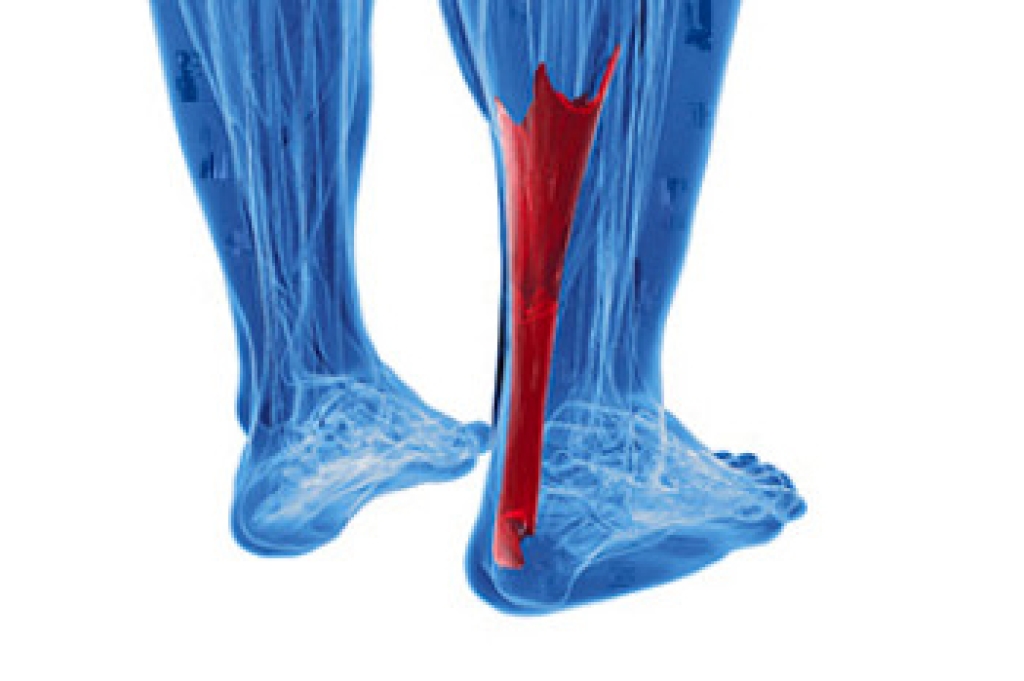
An Achilles tendon injury affects the strong band of tissue that connects the calf muscles to the heel bone. This tendon plays a critical role in walking, running, and pushing off the foot during movement. Injuries can range from mild inflammation to partial or complete tears. Because the Achilles tendon endures high levels of stress, it is vulnerable to damage, especially during sudden or intense activity. Understanding this condition is important for early recognition and proper care.
Symptoms of an Achilles tendon injury often appear suddenly and may be severe. Many individuals report hearing or feeling a pop or snap at the back of the ankle at the time of injury. This sensation is sometimes described as feeling like being kicked in the heel. Swelling and bruising may develop quickly, along with pain that makes walking difficult. A common sign is the inability to push off the foot or stand on tiptoe. These symptoms can significantly affect mobility and require prompt attention.
The causes of Achilles tendon injuries are often linked to sudden increases in physical activity or forceful movements. Activities that involve jumping, sprinting, or quick direction changes can place excessive strain on the tendon. Lack of proper warm up, tight calf muscles, and inadequate conditioning may increase the risk of injury. Overuse and repetitive stress can weaken the tendon over time, making it more susceptible to tears during activity.
Risk factors include active adults who participate in sports without consistent training, as well as individuals known as weekend warriors who engage in intense activity after periods of inactivity. A history of previous tendon injuries, aging, and poor footwear can also contribute to risk. Early evaluation and proper care are essential for recovery and preventing further damage. If you have an Achilles tendon injury, it is suggested that you consult a podiatrist for effective relief and treatment solutions.
Achilles tendon injuries need immediate attention to avoid future complications. If you have any concerns, contact Dawn Miles, DPM of Florida. Our doctor can provide the care you need to keep you pain-free and on your feet.
What Is the Achilles Tendon?
The Achilles tendon is a tendon that connects the lower leg muscles and calf to the heel of the foot. It is the strongest tendon in the human body and is essential for making movement possible. Because this tendon is such an integral part of the body, any injuries to it can create immense difficulties and should immediately be presented to a doctor.
What Are the Symptoms of an Achilles Tendon Injury?
There are various types of injuries that can affect the Achilles tendon. The two most common injuries are Achilles tendinitis and ruptures of the tendon.
Achilles Tendinitis Symptoms
Rupture Symptoms
Treatment and Prevention
Achilles tendon injuries are diagnosed by a thorough physical evaluation, which can include an MRI. Treatment involves rest, physical therapy, and in some cases, surgery. However, various preventative measures can be taken to avoid these injuries, such as:
If you have any questions please feel free to contact one of our offices located in Palatka and Saint Augustine, FL . We offer the newest diagnostic tools and technology to treat your foot and ankle needs.

Cycling is a low-impact activity, but it places repeated pressure on the feet with every pedal stroke. Long rides, hot weather, and shoes that fit too tightly can lead to numbness, burning sensations, or sore soles. Feet naturally swell while exercising, and stiff cycling shoes sometimes leave little room for that change. Pain can also develop when cycling cleats are not positioned correctly or when the bike fit places too much pressure on certain parts of the foot. Some cyclists notice discomfort in the arch. Others feel pain in the ball of the foot or tingling in the toes. In some cases, a thickened nerve between the toes causes burning pain or numbness. This condition develops when the nerve becomes irritated by repeated pressure.
A podiatrist carefully examines the feet to determine why cycling causes discomfort. The evaluation includes checking foot structure, joint movement, and areas of pressure. The podiatrist also looks for conditions like bunions and flat feet that can make cycling painful. Shoe fit and cleat position are also reviewed because both affect how force moves through the foot while pedaling. Even a small adjustment can reduce pressure on sensitive areas. Persistent numbness, burning, or pain that continues after a ride deserves prompt attention, because it can point to a condition that requires professional treatment.
Treatment depends on the cause of the pain and focuses on relieving pressure while improving foot function. A podiatrist can prescribe custom orthotics that support the feet inside cycling shoes and distribute pressure more evenly. Cleat placement and bike position can be evaluated to reduce stress on the forefoot and arch. Early diagnosis helps prevent symptoms from becoming more severe and allows cyclists to ride with greater comfort and confidence. If you have foot pain related to cycling, it is suggested that you schedule an appointment with a podiatrist for effective relief and treatment solutions.
Ankle and foot injuries are common among athletes and in many sports. They can be caused by several problems and may be potentially serious. If you are feeling pain or think you were injured in a sporting event or when exercising, consult with Dawn Miles, DPM from Florida. Our doctor will assess your condition and provide you with quality foot and ankle treatment.
Common Injuries
The most common injuries that occur in sporting activities include:
Symptoms
Symptoms vary depending upon the injury and in some cases, there may be no symptoms at all. However, in most cases, some form of symptom is experienced. Pain, aching, burning, bruising, tenderness, tightness or stiffness, sensation loss, difficulty moving, and swelling are the most common symptoms.
Treatment
Just as symptoms vary depending upon the injury, so do treatment options. A common treatment method is known as the RICE method. This method involves rest, applying ice, compression and elevating the afflicted foot or ankle. If the injury appears to be more serious, surgery might be required, such as arthroscopic or reconstructive surgery. Lastly, rehabilitation or therapy might be needed to gain full functionality in the afflicted area. Any discomfort experienced by an athlete must be evaluated by a licensed, reputable medical professional.
If you have any questions please contact one of our offices located in Palatka and Saint Augustine, FL . We offer the newest diagnostic and treatment technologies for all your foot and ankle needs.