


You don't need an excuse to have beautiful nails. Step outside without worrying about the appearance of your feet.
You don't need an excuse to have beautiful nails. Step outside without worrying about the appearance of your feet.

Sesamoiditis is a painful condition involving inflammation of two small bones located beneath the big toe joint. These bones help absorb pressure and assist with movement during walking and running. The condition often develops from repeated stress, especially in runners, dancers, or people who spend long hours on their feet. Pain is usually felt under the ball of the foot and may worsen with activity or pushing off the toes. Treatment often begins with non-surgical care aimed at reducing pressure and inflammation. A podiatrist may recommend activity changes, supportive footwear, custom orthotics, anti-inflammatory treatment, or temporary immobilization to allow healing. Early treatment can help prevent the condition from becoming more severe or leading to chronic pain. If you have pain beneath the big toe joint that worsens with walking or activity, it is suggested that you consult a podiatrist for effective relief and treatment solutions.
Sesamoiditis is an unpleasant foot condition characterized by pain in the balls of the feet. If you think you’re struggling with sesamoiditis, contact Dawn Miles, DPM of Florida. Our doctor will treat your condition thoroughly and effectively.
Sesamoiditis
Sesamoiditis is a condition of the foot that affects the ball of the foot. It is more common in younger people than it is in older people. It can also occur with people who have begun a new exercise program, since their bodies are adjusting to the new physical regimen. Pain may also be caused by the inflammation of tendons surrounding the bones. It is important to seek treatment in its early stages because if you ignore the pain, this condition can lead to more serious problems such as severe irritation and bone fractures.
Causes of Sesamoiditis
Treatment for sesamoiditis is non-invasive and simple. Doctors may recommend a strict rest period where the patient forgoes most physical activity. This will help give the patient time to heal their feet through limited activity. For serious cases, it is best to speak with your doctor to determine a treatment option that will help your specific needs.
If you have any questions, please feel free to contact one of our offices located in Palatka and Saint Augustine, FL . We offer the newest diagnostic and treatment technologies for all your foot care needs.

Ankle pain refers to discomfort in the joint formed by the tibia, fibula, and talus bones, which work together to support movement and balance. Pain can result from injuries to any of these bones, or the ligaments and cartilage between them. Common causes include awkward turning, twisting, or rolling of the ankle, as well as repetitive strain from overuse. This condition is especially common among athletes and active individuals. Risk factors include wearing improper footwear, uneven surfaces, and poor conditioning. Symptoms may include swelling, stiffness, bruising, and difficulty walking. A podiatrist can diagnose the source of pain, provide targeted treatment, and recommend supportive footwear or orthotics. Early care can prevent further injury and restore mobility. If you have ankle pain, it is suggested that you promptly consult a podiatrist who can determine what the cause is, and offer appropriate relief and treatment solutions.
Ankle pain can be caused by a number of problems and may be potentially serious. If you have ankle pain, consult with Dawn Miles, DPM from Florida. Our doctor will assess your condition and provide you with quality foot and ankle treatment.
Ankle pain is any condition that causes pain in the ankle. Due to the fact that the ankle consists of tendons, muscles, bones, and ligaments, ankle pain can come from a number of different conditions.
Causes
The most common causes of ankle pain include:
Symptoms
Symptoms of ankle injury vary based upon the condition. Pain may include general pain and discomfort, swelling, aching, redness, bruising, burning or stabbing sensations, and/or loss of sensation.
Diagnosis
Due to the wide variety of potential causes of ankle pain, podiatrists will utilize a number of different methods to properly diagnose ankle pain. This can include asking for personal and family medical histories and of any recent injuries. Further diagnosis may include sensation tests, a physical examination, and potentially x-rays or other imaging tests.
Treatment
Just as the range of causes varies widely, so do treatments. Some more common treatments are rest, ice packs, keeping pressure off the foot, orthotics and braces, medication for inflammation and pain, and surgery.
If you have any questions please feel free to contact one of our offices located in Palatka and Saint Augustine, FL . We offer the newest diagnostic tools and technology to treat your foot and ankle needs.
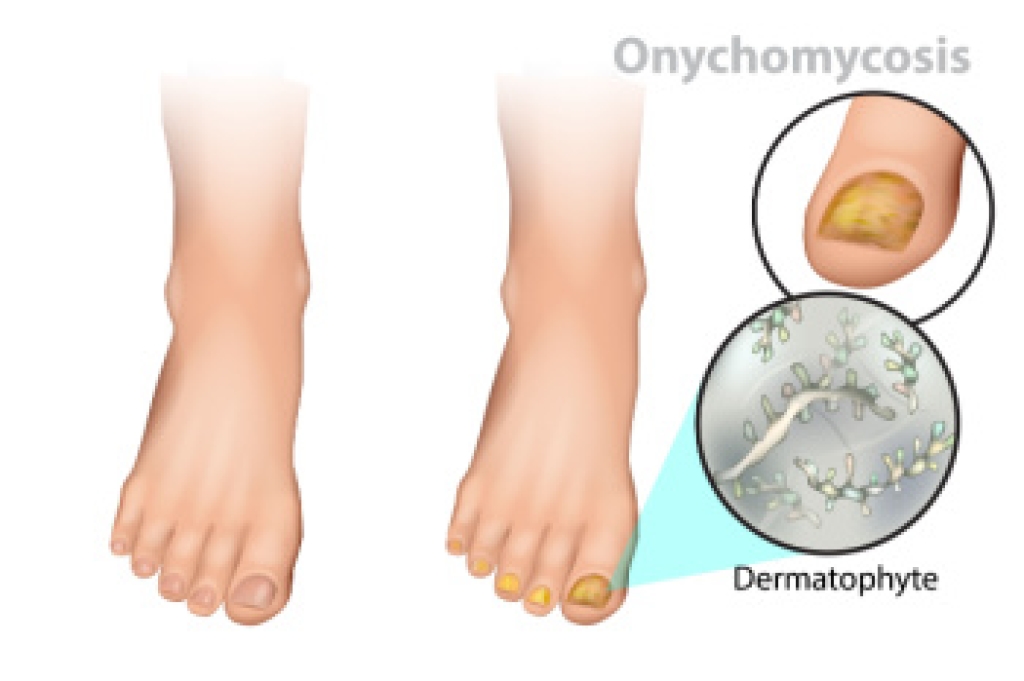
Toenail fungus affects the nail and surrounding tissue, often beginning subtly and then progressing. In the early stage, the nail may show mild discoloration or small white or yellow spots. As it moves into a moderate stage, the nail can become thicker, brittle, and more noticeably discolored. In advanced stages, the nail may crumble, separate from the nail bed, and cause discomfort. Causes include fungal exposure in warm, moist environments. Risk factors include aging, diabetes, and poor circulation. Without treatment, the condition may worsen. A podiatrist can diagnose the infection and provide effective treatment options. If you notice nail changes, it is suggested that you consult a podiatrist who can effectively treat toenail fungus, which may include prescribed medication.
If left untreated, toenail fungus may spread to other toenails, skin, or even fingernails. If you suspect you have toenail fungus it is important to seek treatment right away. For more information about treatment, contact Dawn Miles, DPM of Florida. Our doctor can provide the care you need to keep you pain-free and on your feet.
Symptoms
Treatment
If self-care strategies and over-the-counter medications does not help your fungus, your podiatrist may give you a prescription drug instead. Even if you find relief from your toenail fungus symptoms, you may experience a repeat infection in the future.
Prevention
In order to prevent getting toenail fungus in the future, you should always make sure to wash your feet with soap and water. After washing, it is important to dry your feet thoroughly especially in between the toes. When trimming your toenails, be sure to trim straight across instead of in a rounded shape. It is crucial not to cover up discolored nails with nail polish because that will prevent your nail from being able to “breathe”.
In some cases, surgical procedure may be needed to remove the toenail fungus. Consult with your podiatrist about the best treatment options for your case of toenail fungus.
If you have any questions please contact one of our offices located in Palatka and Saint Augustine, FL . We offer the newest diagnostic and treatment technologies for all your foot and ankle needs.
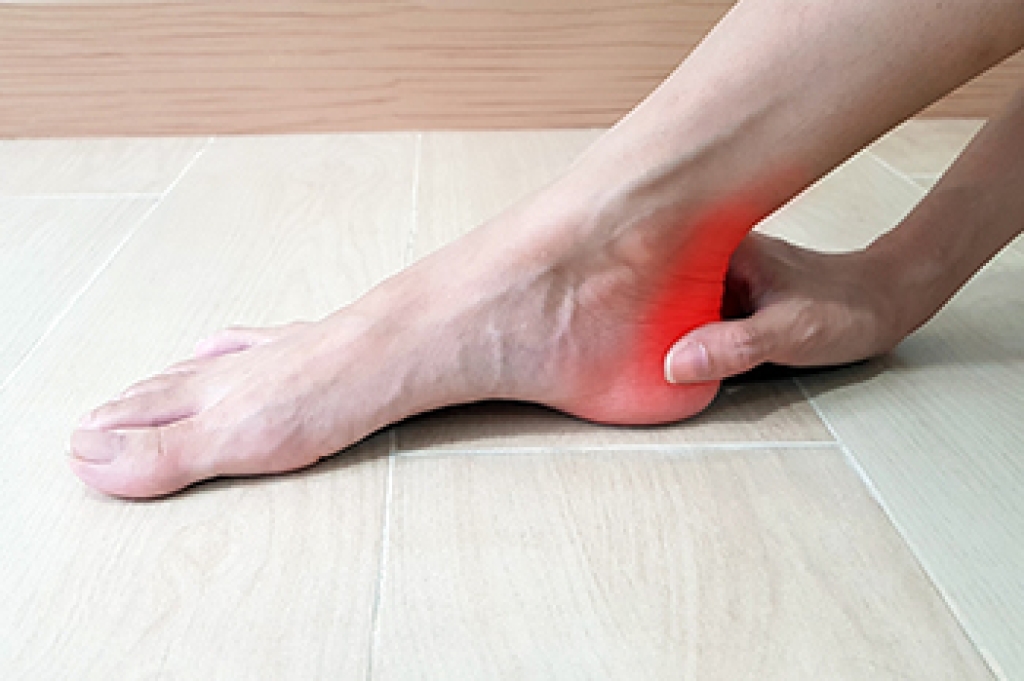
Achilles tendinitis involves inflammation of the Achilles tendon, the strong band of tissue that connects the calf muscles to the heel bone. It commonly develops from overuse, repetitive stress, or sudden increases in physical activity. Tight calf muscles, wearing improper footwear, and poor training habits can also contribute to this condition. Risk factors include aging, flat feet, high arches, and participation in high impact sports. Symptoms often include pain and stiffness along the back of the heel, swelling, and discomfort that worsens with activity. A podiatrist can evaluate the tendon, recommend stretching and strengthening programs, and provide treatment to reduce inflammation and prevent further injury. If you have any of the above symptoms, it is suggested that you consult a podiatrist who can accurately diagnose and treat the condition.
Achilles tendon injuries need immediate attention to avoid future complications. If you have any concerns, contact Dawn Miles, DPM of Florida. Our doctor can provide the care you need to keep you pain-free and on your feet.
What Is the Achilles Tendon?
The Achilles tendon is a tendon that connects the lower leg muscles and calf to the heel of the foot. It is the strongest tendon in the human body and is essential for making movement possible. Because this tendon is such an integral part of the body, any injuries to it can create immense difficulties and should immediately be presented to a doctor.
What Are the Symptoms of an Achilles Tendon Injury?
There are various types of injuries that can affect the Achilles tendon. The two most common injuries are Achilles tendinitis and ruptures of the tendon.
Achilles Tendinitis Symptoms
Rupture Symptoms
Treatment and Prevention
Achilles tendon injuries are diagnosed by a thorough physical evaluation, which can include an MRI. Treatment involves rest, physical therapy, and in some cases, surgery. However, various preventative measures can be taken to avoid these injuries, such as:
If you have any questions please feel free to contact one of our offices located in Palatka and Saint Augustine, FL . We offer the newest diagnostic tools and technology to treat your foot and ankle needs.