


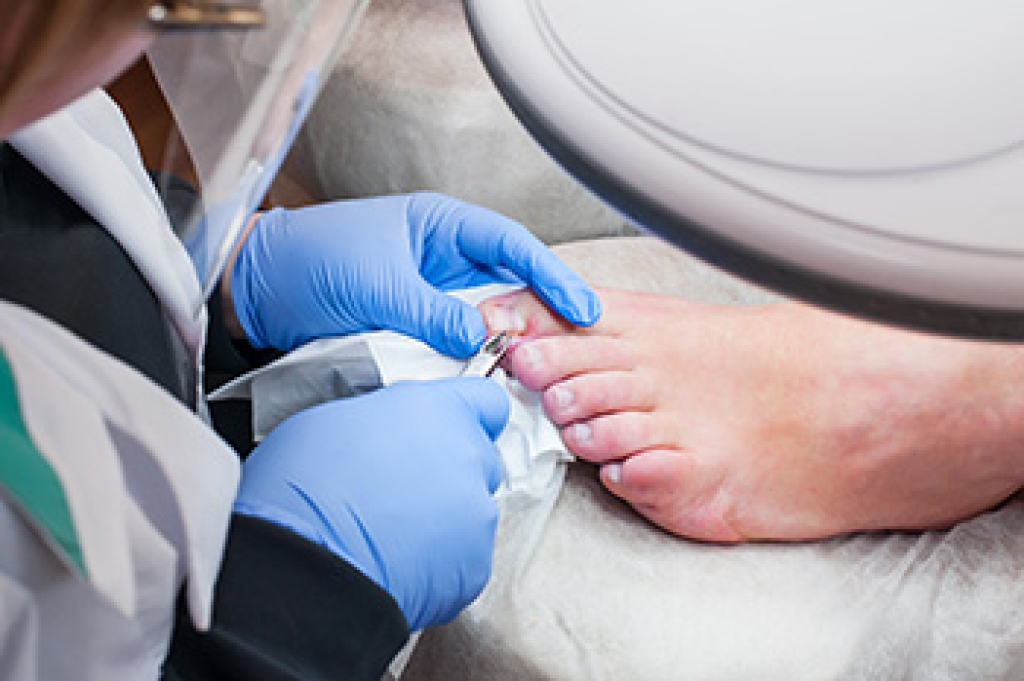
The Winograd technique is a surgical procedure used to treat certain painful or recurring ingrown toenails. An ingrown toenail occurs when part of the nail grows into the surrounding skin, creating irritation along the nail border. Common symptoms include pain, redness, and swelling. Tenderness and drainage may also be common. The condition often affects the big toe and may become more difficult to manage when pressure from shoes continues to irritate the area.
During a Winograd procedure, a podiatrist first examines the affected toe and determines whether surgery is appropriate. The toe is typically numbed with local anesthesia before treatment begins. The podiatrist removes the affected section of the nail along with a small amount of nearby tissue. In many cases, part of the nail-producing tissue is also treated to reduce the chance that the troublesome nail edge will grow back.
Healing begins after the procedure is completed and the toe is dressed. A podiatrist provides specific instructions for cleaning and protecting the surgical site. Patients may need to limit activities that place pressure on the toe and choose comfortable, open, or roomy footwear while healing. Follow-up appointments help the podiatrist evaluate the wound, monitor nail growth, and address any concerns. Keeping the area clean and following instructions can support a smoother recovery.
The Winograd technique can be helpful when an ingrown toenail repeatedly causes discomfort or does not respond to simpler treatment. It is not necessary for every case, so professional evaluation is important before deciding on surgery. If you have persistent symptoms, recurring ingrown toenails, or difficulty walking because of nail pain, it is suggested that you consult a podiatrist who can discuss the benefits of this procedure with you.
Foot surgery is sometimes necessary to treat a foot ailment. To learn more, contact Dawn Miles, DPM of Florida. Our doctor will assist you with all of your foot and ankle needs.
When Is Surgery Necessary?
Foot and ankle surgery is generally reserved for cases in which less invasive, conservative procedures have failed to alleviate the problem. Some of the cases in which surgery may be necessary include:
- Removing foot deformities like bunions and bone spurs
- Severe arthritis that has caused bone issues
- Cosmetic reconstruction
What Types of Surgery Are There?
The type of surgery you receive will depend on the nature of the problem you have. Some of the possible surgeries include:
- Bunionectomy for painful bunions
- Surgical fusion for realignment of bones
- Neuropathy decompression surgery to treat nerve damage
Benefits of Surgery
Although surgery is usually a last resort, it can provide more complete pain relief compared to non-surgical methods and may allow you to finally resume full activity.
Surgical techniques have also become increasingly sophisticated. Techniques like endoscopic surgery allow for smaller incisions and faster recovery times.
If you have any questions, please feel free to contact one of our offices located in Palatka and Saint Augustine, FL . We offer the newest diagnostic and treatment technologies for all your foot care needs.