


July 2024
Tuesday, 30 July 2024 00:00
What Causes Tarsal Tunnel Syndrome?

Tarsal tunnel syndrome, also known as tibial nerve dysfunction, is a condition where the tibial nerve is compressed or irritated as it passes through the tarsal tunnel, the narrow passageway on the inside of the ankle beneath the ankle bones. This compression can result from various causes, such as injury, swelling from ankle sprains, arthritis, or structural abnormalities like flat feet. Symptoms of tarsal tunnel syndrome include tingling, burning pain, or numbness of the inner ankle and sole of the foot. Some individuals may experience a shooting pain that radiates up the leg or into the toes. Symptoms tend to worsen with prolonged standing or walking. Proper diagnosis involves a thorough medical history, physical examination, and sometimes imaging tests like MRI scans to evaluate nerve compression. Relief options include rest, anti-inflammatory medications, orthotic devices, and in severe cases, surgical decompression to relieve pressure on the nerve. If you have developed ankle pain, it is suggested that you consult a podiatrist who can provide a proper diagnosis and offer treatment options that are right for you.
Tarsal tunnel syndrome can be very uncomfortable to live with. If you are experiencing tarsal tunnel syndrome, contact Dawn Miles, DPM of Florida. Our doctor can provide the care you need to keep you pain-free and on your feet.
Tarsal Tunnel Syndrome
Tarsal tunnel syndrome, which can also be called tibial nerve dysfunction, is an uncommon condition of misfiring peripheral nerves in the foot. The tibial nerve is the peripheral nerve in the leg responsible for sensation and movement of the foot and calf muscles. In tarsal tunnel syndrome, the tibial nerve is damaged, causing problems with movement and feeling in the foot of the affected leg.
Common Cause of Tarsal Tunnel Syndrome
- Involves pressure or an injury, direct pressure on the tibial nerve for an extended period of time, sometimes caused by other body structures close by or near the knee.
- Diseases that damage nerves, including diabetes, may cause tarsal tunnel syndrome.
- At times, tarsal tunnel syndrome can appear without an obvious cause in some cases.
The Effects of Tarsal Tunnel Syndrome
- Different sensations, an afflicted person may experience pain, tingling, burning or other unusual sensations in the foot of the affected leg.
- The foot muscles, toes and ankle become weaker, and curling your toes or flexing your foot can become difficult.
- If condition worsens, infections and ulcers may develop on the foot that is experiencing the syndrome.
A physical exam of the leg can help identify the presence of tarsal tunnel syndrome. Medical tests, such as a nerve biopsy, are also used to diagnose the condition. Patients may receive physical therapy and prescriptive medication. In extreme cases, some may require surgery.
If you have any questions please feel free to contact one of our offices located in Palatka and Saint Augustine, FL . We offer the newest diagnostic and treatment technologies for all your foot and ankle needs.
Tuesday, 23 July 2024 00:00
The Wrong Shoe Size Can Cause Foot Problems

Wearing shoes that are too big or too small can lead to various foot problems. Tight shoes can cause blisters, bunions, and calluses due to constant friction and pressure. On the other hand, shoes that are too loose can result in foot instability, increasing the risk of sprains and strains. To find the right shoe size, measure your feet at the end of the day when they are most swollen. Ensure there is enough room in the toe box for your toes to move freely, and the shoe should fit snugly around the heel without slipping. Trying on shoes with the type of socks you plan to wear with them can also help achieve a proper fit. If you have developed foot conditions from wearing the wrong size shoes, it is suggested that you speak to a podiatrist who can treat various foot ailments and provide education for proper foot measurement.
It is important to find shoes that fit you properly in order to avoid a variety of different foot problems. For more information about treatment, contact Dawn Miles, DPM from Florida. Our doctor will treat your foot and ankle needs.
Proper Shoe Fitting
Shoes have many different functions. They cushion our body weight, protect our feet, and allow us to safely play sports. You should always make sure that the shoes you wear fit you properly in order to avoid injuries and deformities such as: bunions, corns, calluses, hammertoes, plantar fasciitis, stress fractures, and more. It is important to note that although a certain pair of shoes might be a great fit for someone else, that doesn’t mean they will be a great fit for you. This is why you should always try on shoes before buying them to make sure they are worth the investment. Typically, shoes need to be replaced ever six months to one year of regular use.
Tips for Proper Shoe Fitting
- Select a shoe that is shaped like your foot
- Don’t buy shoes that fit too tight, expecting them to stretch to fit
- Make sure there is enough space (3/8” to ½”) for your longest toe at the end of each shoe when you are standing up
- Walk in the shoes to make sure they fit and feel right
- Don’t select shoes by the size marked inside the shoe, but by how the shoe fits your foot
The shoes you buy should always feel as good as they look. Shoes that fit properly will last longer, feel better, and improve your way of life each day.
If you have any questions, please feel free to contact one of our offices located in Palatka and Saint Augustine, FL . We offer the newest diagnostic and treatment technologies for all your foot care needs.
Tuesday, 16 July 2024 00:00
Mobility Threats and Risk Factors of Cracked Heels
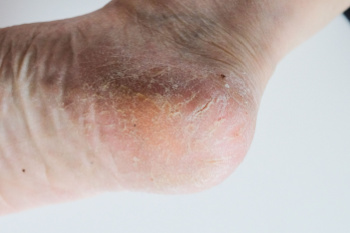
Cracked heels, also known as heel fissures, are a common foot condition where the skin on the heels becomes dry, thick, and cracked. These fissures can range from superficial to deep, causing pain and discomfort, and in severe cases, bleeding and infection. Cracked heels can significantly threaten mobility, making walking or standing painful and challenging. Risk factors include prolonged standing, obesity, wearing open-back shoes, and having dry skin or certain medical conditions such as diabetes and hypothyroidism. Additionally, aging can reduce skin elasticity, increasing the likelihood of developing cracked heels. Maintaining proper foot hygiene, moisturizing regularly, and wearing supportive footwear can help prevent and manage this condition, ensuring that mobility is not compromised and the risk of complications is minimized.
If the skin on your feet starts to crack, you may want to see a podiatrist to find treatment. If you have any concerns, contact Dawn Miles, DPM from Florida. Our doctor can provide the care you need to keep you pain-free and on your feet.
Cracked Heels
It is important to moisturize your cracked heels in order to prevent pain, bleeding, and infection. The reason cracked heels form is because the skin on the foot is too dry to support the immense pressure placed on them. When the foot expands, the dry skin on the foot begins to split.
Ways to Help Heal Them
- Invest in a good foot cream
- Try Using Petroleum Jelly
- Ease up on Soaps
- Drink Plenty of Water
Ways to Prevent Cracked Heels
- Moisturize After Showering
- Skip a Shower
- Keep Shower Water Lukewarm
- Don’t Scrub Your Feet
If you are unsure how to proceed in treating cracked heels, seek guidance from a podiatrist. Your doctor will help you with any questions or information you may need.
If you have any questions, please feel free to contact one of our offices located in Palatka and Saint Augustine, FL . We offer the newest diagnostic and treatment technologies for all your foot care needs.
Tuesday, 09 July 2024 00:00
Dangers of Blood Clots in Your Foot
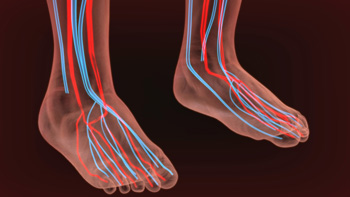
Blood clots in the feet, also known as venous blood clots, pose significant health risks and require immediate medical attention. These clots can be caused by several factors, including poor blood circulation due to prolonged sitting or lying down, diabetes, and dehydration. Damaged veins from injury, infection, or surgery are other contributing factors. In addition, blood clots in the feet can result from taking certain medications like birth control pills, hormone therapy drugs, glucocorticoids, and antidepressants. Symptoms such as swelling, discoloration, varicose veins, and intense pain or numbness in the foot are indicators of potential blood clots. If left untreated, blood clots can travel to vital organs, potentially causing life-threatening conditions like pulmonary embolism, heart attack, or stroke. A podiatrist can play a critical role in managing blood clots in the feet by diagnosing the condition, providing appropriate treatments like blood thinners or thrombolytic therapy, and offering preventive measures. If you have developed blood clots in the feet, it is suggested that you make an appointment with a podiatrist for an exam and treatment options.
Poor circulation is a serious condition and needs immediate medical attention. If you have any concerns with poor circulation in your feet contact Dawn Miles, DPM of Florida. Our doctor will treat your foot and ankle needs.
Poor Circulation in the Feet
Poor blood circulation in the feet and legs is can be caused by peripheral artery disease (PAD), which is the result of a buildup of plaque in the arteries.
Plaque buildup or atherosclerosis results from excess calcium and cholesterol in the bloodstream. This can restrict the amount of blood which can flow through the arteries. Poor blood circulation in the feet and legs are sometimes caused by inflammation in the blood vessels, known as vasculitis.
Causes
Lack of oxygen and oxygen from poor blood circulation restricts muscle growth and development. It can also cause:
- Muscle pain, stiffness, or weakness
- Numbness or cramping in the legs
- Skin discoloration
- Slower nail & hair growth
- Erectile dysfunction
Those who have diabetes or smoke are at greatest risk for poor circulation, as are those who are over 50. If you have poor circulation in the feet and legs it may be caused by PAD and is important to make changes to your lifestyle in order to reduce risk of getting a heart attack or stroke. Exercise and maintaining a healthy lifestyle will dramatically improve conditions.
As always, see a podiatrist as he or she will assist in finding a regimen that suits you. A podiatrist can also prescribe you any needed medication.
If you have any questions please feel free to contact one of our offices located in Palatka and Saint Augustine, FL . We offer the newest diagnostic and treatment technologies for all your foot and ankle needs.
Wednesday, 03 July 2024 00:00
Heel Pain Can Be Treated!

Do you suffer from heel pain when you get up in the morning? If so, you should seek professional help and have a proper diagnosis performed. Heel pain can be caused by several different foot-related conditions.
Tuesday, 02 July 2024 00:00
Sports Overuse Injuries in Young People
 Sports-related injuries are common in children and adolescents, particularly affecting the feet due to the high impact and repetitive stress involved in athletic activities. Growth plates, the areas of developing tissues at the ends of long bones, are vulnerable during this stage, making young athletes more susceptible to injuries such as fractures, sprains, and strains. Many of these injuries are related to overuse, where repetitive stress leads to wear and tear on the feet. Common foot injuries in this age group include Sever's disease, an inflammation of the growth plate in the heel, and stress fractures, small cracks in the bone caused by repetitive force. Other issues like ankle sprains and plantar fasciitis, which is inflammation of the tissue along the bottom of the foot, are also prevalent. Prevention strategies include proper warm-up exercises, wearing appropriate and well-fitting footwear, and ensuring adequate rest to avoid overuse injuries. Parents and coaches should encourage young athletes to listen to their bodies and seek medical attention when pain persists. If you have a young athlete in the family, it is suggested that you schedule regular visits to a podiatrist to maintain foot health and address any injuries promptly.
Making sure that your children maintain good foot health is very important as they grow. If you have any questions, contact Dawn Miles, DPM of Florida. Our doctor can provide the care you need to keep you pain-free and on your feet.
Keeping Children's Feet Healthy
Having healthy feet during childhood can help prevent medical problems later in life, namely in the back and legs. As children grow, their feet require different types of care. Here are some things to consider...
Although babies do not walk yet, it is still very important to take care of their feet.
Avoid putting tight shoes or socks on his or her feet.
Allow the baby to stretch and kick his or her feet to feel comfortable.
As a toddler, kids are now on the move and begin to develop differently. At this age, toddlers are getting a feel for walking, so don’t be alarmed if your toddler is unsteady or ‘walks funny’.
As your child gets older, it is important to teach them how to take care of their feet.
Show them proper hygiene to prevent infections such as fungus.
Be watchful for any pain or injury.
Have all injuries checked by a doctor as soon as possible.
Comfortable, protective shoes should always be worn, especially at play.
If you have any questions please feel free to contact one of our offices located in Palatka and Saint Augustine, FL . We offer the newest diagnostic and treatment technologies for all your foot and ankle needs.