


May 2024
Tuesday, 28 May 2024 00:00
Selecting the Right Footwear for Restaurant Workers

Choosing the right shoes for restaurant workers is essential for their comfort, safety, and overall performance in a fast-paced environment. When selecting footwear, prioritize shoes that offer slip resistance to prevent accidents on wet or greasy surfaces commonly found in kitchens and dining areas. Look for styles with durable, non-slip soles that provide reliable traction. Additionally, opt for shoes with reinforced toes and sturdy construction to protect against dropped objects and other workplace hazards. Comfort is just as important, as restaurant workers spend long hours on their feet. Look for shoes with ample cushioning and arch support to reduce foot fatigue and minimize the risk of injuries like plantar fasciitis. Consider choosing shoes made from breathable materials to keep feet cool and dry during busy shifts. By prioritizing slip resistance, comfort, and breathability, restaurant workers can find the perfect footwear to support them through demanding shifts. If you have developed foot conditions from wearing the wrong shoes while working, it is suggested that you visit a podiatrist. This foot doctor can offer effective treatment solutions and guide you on how to find the right shoes for your workday.
Finding a properly-fitting shoe is important in reducing injuries and preventing foot problems. For more information about treatment, contact Dawn Miles, DPM from Florida. Our doctor will treat your foot and ankle needs.
Proper Shoe Fitting
A common concern when it comes to foot health, having properly fitted shoes can help prevent injuries to the foot. Out feet affect our posture and gait, which in turn affects the biomechanics and overall bodily structure. With 33 joints, 26 bones, and over 100 ligaments, the potential for serious injury is much greater than one realizes. Although the feet cease growth in adulthood, they still change shape as they mature. Here are some factors to consider when it comes to investing in proper fitting shoes:
- Be sure the shoes fit correctly right away
- Ensure the ball of your foot fits comfortably in the widest portion of the shoes
- Even though they may look fashionable, improper fitting shoes can either create adverse conditions or exacerbate existing ones you may already have
- Walk along a carpeted surface to ensure the shoes comfortably fit during normal activity
Keeping in mind how shoes fit the biomechanics of your body, properly-fitting shoes are vitally important. Fortunately, it is not difficult to acquire footwear that fits correctly. Be sure to wear shoes that support the overall structure of your body. Do your feet a favor and invest in several pairs of well-fitted shoes today.
If you have any questions please feel free to contact one of our offices located in Palatka and Saint Augustine, FL . We offer the newest diagnostic and treatment technologies for all your foot and ankle needs.
Tuesday, 21 May 2024 00:00
Three Types of Corns on the Feet
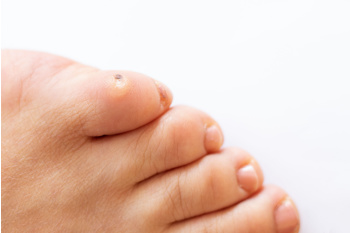
Corns are identified as patches of thickened skin and are a common foot problem that can cause discomfort and pain if left untreated. Understanding different types of corns can help in effectively managing and preventing them. Hard corns, the most prevalent type, typically develop on the tops and sides of toes or weight-bearing areas of the foot. These corns are compact and dense, often caused by friction or pressure from wearing ill-fitting shoes or repetitive motion. Conversely, soft corns tend to form between toes where sweat and moisture accumulate. These corns are softer in texture and can be more painful due to increased moisture levels. Finally, seed corns are tiny, discrete corns that often appear on the bottom of the foot. They are generally painless but can cause discomfort when walking. If you have a corn on your foot, it is suggested that you consult a podiatrist who can identify which type it is, and offer you correct treatment solutions.
Corns can make walking very painful and should be treated immediately. If you have questions regarding your feet and ankles, contact Dawn Miles, DPM of Florida. Our doctor will treat your foot and ankle needs.
Corns: What Are They? And How Do You Get Rid of Them?
Corns are thickened areas on the skin that can become painful. They are caused by excessive pressure and friction on the skin. Corns press into the deeper layers of the skin and are usually round in shape.
Ways to Prevent Corns
There are many ways to get rid of painful corns such as:
- Wearing properly fitting shoes that have been measured by a professional
- Wearing shoes that are not sharply pointed or have high heels
- Wearing only shoes that offer support
Treating Corns
Although most corns slowly disappear when the friction or pressure stops, this isn’t always the case. Consult with your podiatrist to determine the best treatment option for your case of corns.
If you have any questions please feel free to contact one of our offices located in Palatka and Saint Augustine, FL . We offer the newest diagnostic and treatment technologies for all your foot and ankle needs.
Tuesday, 14 May 2024 00:00
Causes and Diagnosis of Peripheral Artery Disease
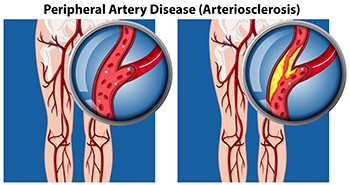
Peripheral artery disease, or PAD, poses significant challenges for foot health, stemming from restricted blood flow to the lower extremities. This condition, often caused by atherosclerosis, involves the buildup of fatty deposits in the arteries, leading to narrowed or blocked blood vessels. The diminished blood supply to the feet can result in various symptoms, including pain, cramping, numbness, and weakness, particularly during physical activity. Left untreated, PAD can contribute to serious complications such as foot ulcers, infections, and delayed wound healing. Diagnosing PAD typically involves a comprehensive evaluation by a podiatrist. This process includes a thorough medical history review, assessment of risk factors such as smoking and diabetes, and a physical examination focused on evaluating circulation in the legs and feet. Specialized diagnostic tests, such as ankle-brachial index, or ABI measurement, Doppler ultrasound, and angiography, may also be employed to confirm the diagnosis and determine the extent of arterial blockages. If you are experiencing any of the foot symptoms mentioned above, it is suggested that you consult a podiatrist who can accurately diagnose and offer relief solutions for PAD.
Peripheral artery disease can pose a serious risk to your health. It can increase the risk of stroke and heart attack. If you have symptoms of peripheral artery disease, consult with Dawn Miles, DPM from Florida. Our doctor will assess your condition and provide you with quality foot and ankle treatment.
Peripheral artery disease (PAD) is when arteries are constricted due to plaque (fatty deposits) build-up. This results in less blood flow to the legs and other extremities. The main cause of PAD is atherosclerosis, in which plaque builds up in the arteries.
Symptoms
Symptoms of PAD include:
- Claudication (leg pain from walking)
- Numbness in legs
- Decrease in growth of leg hair and toenails
- Paleness of the skin
- Erectile dysfunction
- Sores and wounds on legs and feet that won’t heal
- Coldness in one leg
It is important to note that a majority of individuals never show any symptoms of PAD.
Diagnosis
While PAD occurs in the legs and arteries, Podiatrists can diagnose PAD. Podiatrists utilize a test called an ankle-brachial index (ABI). An ABI test compares blood pressure in your arm to you ankle to see if any abnormality occurs. Ultrasound and imaging devices may also be used.
Treatment
Fortunately, lifestyle changes such as maintaining a healthy diet, exercising, managing cholesterol and blood sugar levels, and quitting smoking, can all treat PAD. Medications that prevent clots from occurring can be prescribed. Finally, in some cases, surgery may be recommended.
If you have any questions, please feel free to contact one of our offices located in Palatka and Saint Augustine, FL . We offer the newest diagnostic and treatment technologies for all your foot care needs.
Tuesday, 07 May 2024 00:00
The Importance of Diabetic Foot Care
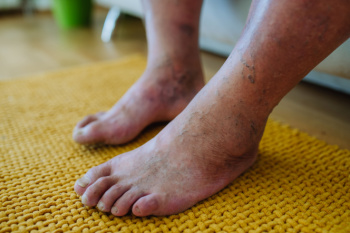
Diabetic foot care is paramount for preserving limb health and preventing serious complications. Diabetes can lead to various foot issues, including neuropathy, microvascular disease, foot ulcers, and biomechanical changes. Neuropathy diminishes sensation, increasing the risk of unnoticed injuries, while microvascular disease impairs circulation, slowing wound healing. Foot ulcers may develop possibly leading to infections and even amputation if left untreated. Biomechanical changes further exacerbate pressure points, contributing to ulcer formation. Regular foot examinations, meticulous hygiene, proper footwear, and prompt treatment of any foot abnormalities are crucial in diabetic foot care. Podiatrists specialize in assessing diabetic foot health, providing preventive care, and offering tailored treatments to minimize complications, ensuring optimal limb preservation and overall well-being. If you have diabetes, it is strongly suggested that you include a podiatrist on your healthcare team.
Diabetic foot care is important in preventing foot ailments such as ulcers. If you are suffering from diabetes or have any other concerns about your feet, contact Dawn Miles, DPM from Florida. Our doctor can provide the care you need to keep you pain-free and on your feet.
Diabetic Foot Care
Diabetes affects millions of people every year. The condition can damage blood vessels in many parts of the body, especially the feet. Because of this, taking care of your feet is essential if you have diabetes, and having a podiatrist help monitor your foot health is highly recommended.
The Importance of Caring for Your Feet
- Routinely inspect your feet for bruises or sores.
- Wear socks that fit your feet comfortably.
- Wear comfortable shoes that provide adequate support.
Patients with diabetes should have their doctor monitor their blood levels, as blood sugar levels play such a huge role in diabetic care. Monitoring these levels on a regular basis is highly advised.
It is always best to inform your healthcare professional of any concerns you may have regarding your feet, especially for diabetic patients. Early treatment and routine foot examinations are keys to maintaining proper health, especially because severe complications can arise if proper treatment is not applied.
If you have any questions please feel free to contact one of our offices located in Palatka and Saint Augustine, FL . We offer the newest diagnostic and treatment technologies for all your foot and ankle needs.
Friday, 03 May 2024 00:00
Plantar Warts Can Be Treated!

Plantar warts are small growths that develop on parts of the feet that bear weight. They're typically found on the bottom of the foot. Don't live with plantar warts, and call us today!